
WearableTechnology:
Wearables such as clothes, watches, glasses and many other accessories incorporating computers and other electrical features in them can be called wearable technology or wearable devices (Michael, 2014).
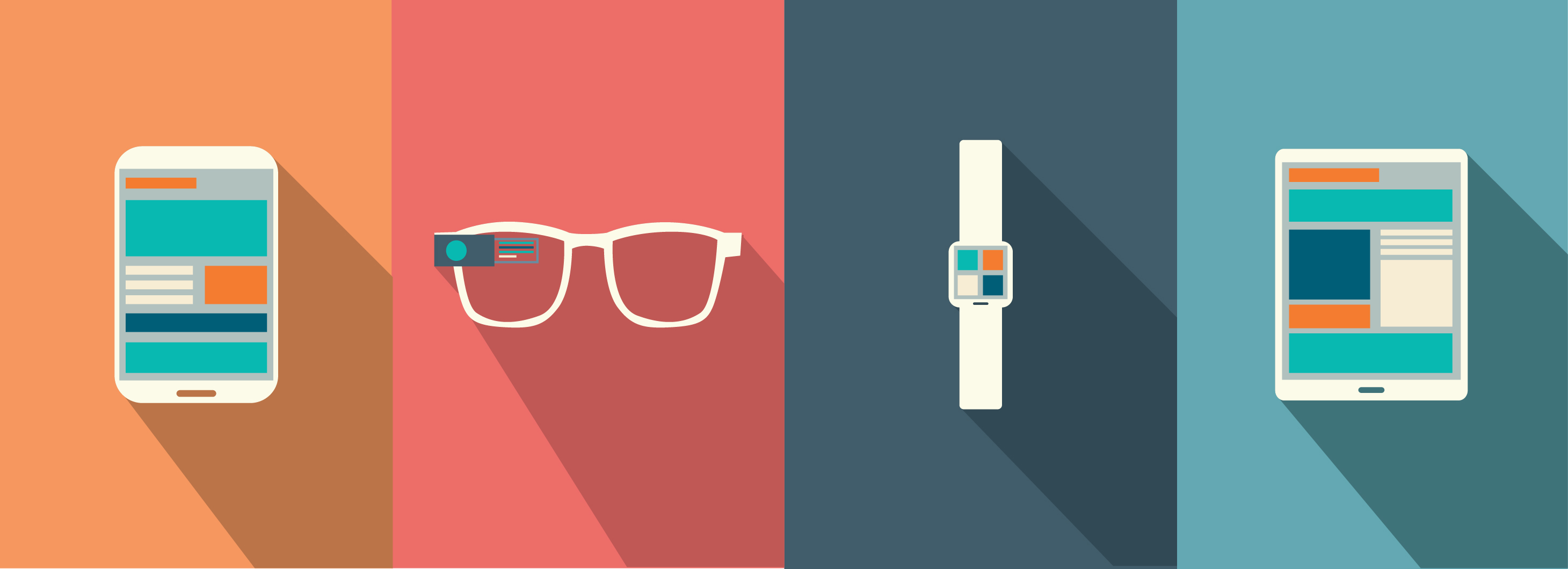
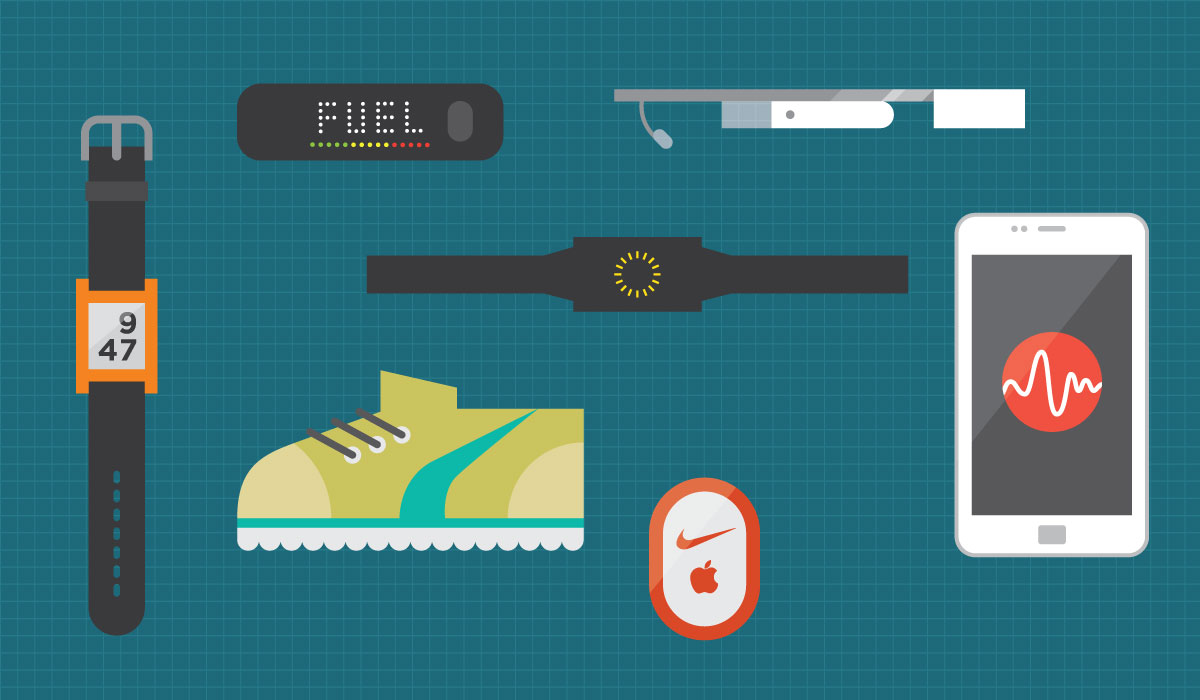
There are many wearables out for the general public in today’s market ranging from smart watch, smart glasses and even virtual reality gears. These small devices are sophisticated and capable enough of performing same tasks as done by laptop computers and mobile phones (Michael, 2014). Among all the wearables, google glass is one of the first and most talked augmented reality wearable computers and some other like apple watch, gear VR, moto 360 are popular nowadays.
Wearables can be used for various purposes; it extends the capabilities of the wearer protecting their privacy and functioning over a wide range of situation (DeVaul, 2013). The scope of wearables is far reaching and can easily influence the fields of health and medicine, education, fitness, ageing, disability, transportation, communication and business. Like any other computing technology the main benefit of using a wearable is that it provides an enhanced communication, sensing, memory and logical skills, it can even filter our calls, monitor our health, remind us certain tasks, help us waking up and even catching the bus (MILLER, 2013).